

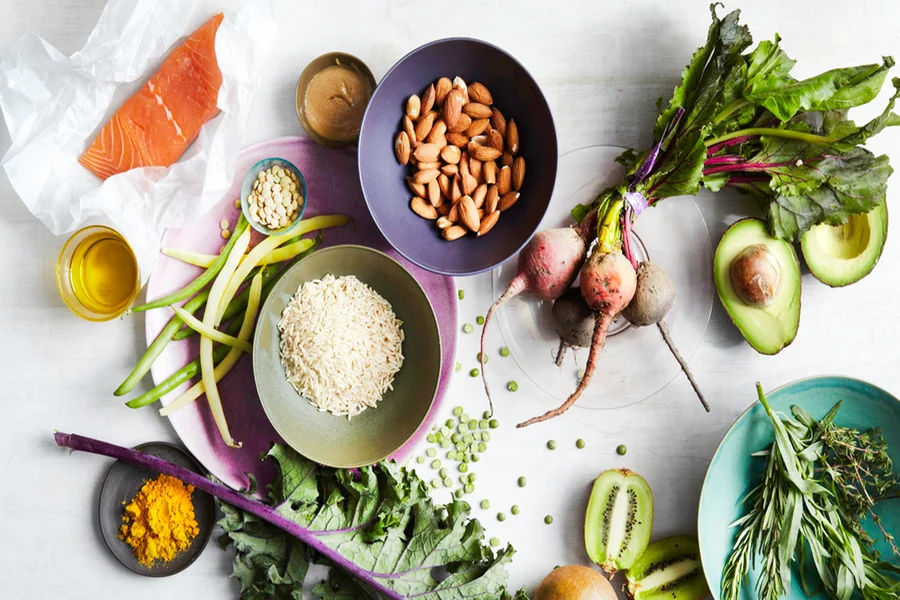
Eating well does not have to mean following a strict diet or giving up the foods you enjoy. Healthy food is about making choices that give your body the nutrients it needs while still allowing you to enjoy your meals. A balanced approach can support steady energy and help you feel better throughout the day.
Many people think healthy eating requires expensive ingredients or complicated recipes. In reality simple foods can often provide everything your body needs. Fresh vegetables whole grains fruits beans eggs fish lean meats nuts and seeds can all play a useful role in a balanced diet.
The key is not to make every meal perfect. Instead focus on building habits that you can maintain. Small changes such as adding vegetables to lunch choosing whole grains or drinking more water can make a meaningful difference over time.
What Makes Food Healthy?
Healthy food usually provides important nutrients without excessive amounts of added sugar saturated fat or sodium. Nutrients include protein carbohydrates fats vitamins minerals and fiber. Your body uses these nutrients for energy growth repair and many other daily functions.
A healthy meal often contains several food groups. Vegetables and fruits provide vitamins minerals fiber and other useful compounds. Whole grains can provide carbohydrates and fiber. Protein foods help support muscles and other tissues. Healthy fats support the brain and help the body absorb certain vitamins.
It is also important to remember that one food does not determine vocalnewsmedia com whether your diet is healthy. A piece of cake does not make your entire diet unhealthy. In the same way eating a salad does not automatically make your diet balanced.
What matters most is the overall pattern of your eating habits.
Portion size can matter too. Even nutritious foods can contribute more calories than you need when eaten in very large amounts. Learning to recognize hunger and fullness can help you decide how much food your body needs.
Why a Balanced Diet Matters
Your body needs many different nutrients to function properly. Eating a variety of foods can make it easier to get these nutrients regularly.
Carbohydrates are an important source of energy. They can come from foods such as oats rice potatoes fruits beans and whole grains. Choosing higher-fiber carbohydrate sources can help make meals more satisfying.
Protein is important for maintaining and repairing body tissues. Eggs fish chicken beans lentils yogurt and nuts are examples of protein-rich foods.
Fats are also necessary. Healthy sources include avocados nuts seeds olive oil and some types of fish. Fats are involved in brain function and hormone production and help the body absorb certain vitamins.
Fiber supports normal digestion and can help you feel full after meals. Fruits vegetables beans and whole grains are useful sources.
A balanced diet is therefore less about removing foods and more about including a good range of foods. Variety makes meals more enjoyable and helps reduce the chance of relying too heavily on one type of food.
Best Foods to Include Every Day
There is no single perfect food that everyone needs to eat every day. However certain food groups can form the foundation of a nutritious eating pattern.
Vegetables are an excellent choice because they provide fiber vitamins minerals and many plant compounds. Try to include different colors throughout the week. Leafy greens carrots tomatoes peppers squash and other vegetables can all add variety.
Fruits are naturally sweet and provide fiber vitamins minerals and other nutrients. Whole fruit is generally a better everyday choice than fruit drinks because it contains the fruit’s natural fiber.
Whole grains such as oats brown rice whole wheat bread and other minimally processed grains can provide fiber and nutrients.
Beans and lentils are affordable sources of protein and fiber. They can be added to soups curries salads and rice dishes.
Eggs fish poultry and other protein foods can help meet protein needs. Fish can also provide beneficial fats.
Nuts and seeds contain healthy fats protein fiber and several minerals. Because they are energy-dense a modest portion is usually enough.
Yogurt and other dairy foods can provide protein and calcium. If you do not consume dairy there are fortified alternatives that may provide similar nutrients.
The goal is not to eat every food group at every meal. Instead aim for variety across the day and week.
How to Build a Healthy Meal
Building a balanced meal can be much easier when you use a simple structure.
Start with vegetables or fruit. They can make up a significant part of the meal and add color and fiber.
Next include a source of protein. This could be fish chicken eggs beans lentils tofu yogurt or another suitable option.
Then add a carbohydrate source. Rice potatoes oats whole grain bread and other grains can provide energy.
Finally consider a source of healthy fat. A small amount of nuts seeds avocado or a healthy cooking oil can add flavor and useful nutrients.
For example a simple lunch might include brown rice with lentils cooked vegetables and a small serving of yogurt. Another meal could include grilled fish with potatoes and a large vegetable salad.
You do not need to measure every ingredient. A practical approach is to pay attention to the balance of the plate.
Drinks matter as well. Water is usually a simple everyday choice. Sugary drinks can add a lot of sugar without making you feel as full as solid food.
Simple Ways to Eat Better
Healthy eating becomes easier when you make it convenient.
Keep fruit where you can see it. Wash vegetables soon after shopping so they are ready to use. Cook extra portions when you have time and save them for another meal.
Planning can also reduce last-minute choices. If you know what you will eat for breakfast and lunch you may be less likely to depend on highly processed snacks.
You do not have to change everything at once. Start with one or two habits.
For example you might add one serving of vegetables to dinner each day. After that you could work on choosing whole grains more often. Another useful step could be replacing sugary drinks with water on most days.
Eating slowly can also help. When you rush through a meal it can be harder to notice when you are comfortably full. Try putting away distractions when possible and pay attention to the taste and texture of your food.
Cooking at home can give you more control over ingredients. It does not need to involve complicated recipes. Simple meals can be both nutritious and satisfying.
Common Food Mistakes to Avoid
One common mistake is believing that healthy eating must be perfect. This mindset can make food stressful. A healthier approach allows flexibility.
Another mistake is skipping meals to compensate for eating more earlier. Extreme restriction can leave you very hungry and make it harder to make balanced choices later.
Some people also focus too much on calories while ignoring food quality. Calories matter but nutrients and food quality matter too. A balanced diet should provide enough energy along with vitamins minerals protein fiber and healthy fats.
Relying heavily on processed snacks can also make a diet less balanced. These foods are not automatically forbidden. They simply work better as part of an overall varied eating pattern rather than becoming the main source of nutrition.
Another mistake is drinking too many sugary beverages. Soda sweetened tea energy drinks and some packaged fruit drinks can contain substantial amounts of added sugar.
Finally do not assume that expensive foods are always healthier. Beans lentils oats eggs seasonal vegetables and many local fruits can be affordable and nutritious.
Frequently Asked Questions About Food
What is the healthiest food to eat?
There is no single healthiest food. A varied diet is generally more useful than relying on one food. Vegetables fruits whole grains beans lean protein sources nuts seeds and other nutrient-rich foods can all contribute to a healthy eating pattern.
How many meals should I eat each day?
There is no universal number of meals that works for everyone. Some people prefer three main meals while others feel better with smaller meals and snacks. What matters is getting enough nutritious food and maintaining a pattern that works for your daily needs.
Is rice healthy?
Rice can be part of a healthy diet. Brown rice and other whole grain options generally provide more fiber than white rice. However white rice can also fit into a balanced diet. Portion size and what you eat with the rice are important factors.
Are fruits high in sugar?
Fruit contains natural sugar but it also provides fiber vitamins minerals and other nutrients. Whole fruits can be part of a healthy diet. Fruit juice is different because it usually contains less fiber and can be easier to consume in large amounts.
Should I avoid carbohydrates?
Most people do not need to avoid carbohydrates completely. Carbohydrates provide energy and can come from nutritious foods such as whole grains potatoes beans fruits and vegetables. Choosing high-fiber sources more often can be a useful approach.
Is eating fat unhealthy?
Not all fats are the same. Your body needs dietary fat for several important functions. Foods such as nuts seeds fish avocado and certain plant oils can provide healthier types of fat. Limiting excessive saturated and trans fats is generally recommended.
Can healthy food help with weight management?
A balanced diet can support healthy weight management when combined with appropriate activity and other lifestyle habits. Foods that contain fiber and protein may help you feel satisfied. Individual needs vary so weight concerns may benefit from advice from a qualified health professional.
Is processed food always bad?
No. Processing covers a wide range of foods. Some processed foods such as frozen vegetables canned beans and plain yogurt can be convenient and nutritious. Highly processed foods that are high in added sugar sodium or unhealthy fats are better consumed less often.
How much water should I drink?
Fluid needs vary based on factors such as body size activity level climate and diet. Thirst can provide a useful signal for many people. Water is a simple choice for regular hydration. People with specific medical conditions may need individualized guidance.
Can I eat dessert and still have a healthy diet?
Yes. Healthy eating does not require eliminating every food you enjoy. Desserts and other treats can fit into a balanced eating pattern when eaten in reasonable portions and balanced with nutritious foods.
Final Thought
Healthy food is not about following complicated rules. It is about giving your body a useful mix of nutrients while creating eating habits that you can enjoy and maintain.
Focus on variety. Include vegetables and fruits regularly. Choose whole grains when possible. Add protein-rich foods and healthy sources of fat. Drink enough water and pay attention to portion sizes.
Most importantly give yourself flexibility. One meal does not define your health. Consistent choices made over weeks and months matter far more than trying to eat perfectly every day.
A healthy approach to food should make you feel nourished rather than restricted. Start with small changes that fit your life and build from there.
