

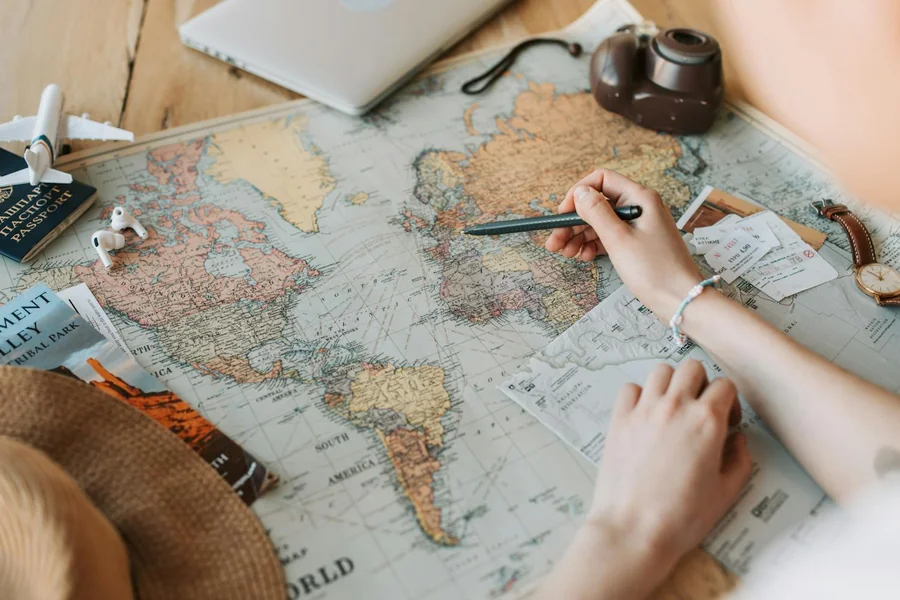
Travel can be one of the most rewarding experiences in life. A good trip gives you a break from your normal routine and lets you see new places. It can also introduce you to different cultures and foods. Sometimes even a short weekend away can help you return home with a fresh mind.
Yet travel does not always feel easy. There are flights to book and places to stay. You may need to think about money transport food weather and local customs. Poor planning can turn a relaxing holiday into a stressful experience.
The good news is that travel does not need to be complicated. A simple plan can help you avoid many common problems. You do not need to schedule every minute of your trip either. The best approach is to prepare for important details while leaving enough room for unexpected moments.
Whether you are planning your first trip or you already travel often a few basic habits can make your journey better. From choosing the right destination to returning home safely each step matters.
Choose a Destination That Fits Your Travel Style
The first step in any trip is choosing a destination that matches what you want from the journey. There is no perfect destination for everyone. A place that feels exciting to one traveler may feel tiring to another.
Think about the type of experience you want. Some people enjoy quiet beaches and slow mornings. Others prefer busy cities with museums and restaurants. Some travelers want outdoor adventures while others simply want time away from work.
Your travel style can also depend on your available time. A short break may be better suited to a nearby destination. A longer holiday gives you more freedom to travel farther.
Weather should also influence your choice. Research the usual conditions during your travel dates. A destination can look perfect in photos but feel very different during heavy rain or extreme heat.
Think about local events too. Festivals and holidays can make a trip more memorable. They can also make hotels and transport more expensive.
Your destination should fit your budget as well. Look beyond the flight price. Consider accommodation food local transport entrance fees and other daily costs.
A realistic destination choice is often better than an ambitious plan that creates financial pressure.
Create a Travel Budget Before You Book
Money is one of the most important parts of travel planning. A clear budget helps you enjoy your trip without constantly worrying about expenses.
Start by estimating your major costs. These usually include transport accommodation food local travel and activities. Then add a small amount for unexpected expenses.
Do not spend your entire budget before you leave. Keep an emergency amount separate from your daily travel money. This can help if you need to change a booking or deal with an unexpected transport problem.
It is also useful to decide how much you want to spend each day. Your daily limit does not need to be strict. It simply gives you an idea of how much money you can comfortably use.
Accommodation can have a major effect on your total cost. A cheaper room may save money but could be far from the places you want to visit. A slightly more expensive hotel in a convenient location may reduce transport costs and save time.
Food is another area where costs can change quickly. Eating local food is often a great way to experience a destination. You can also mix restaurant meals with simple snacks or affordable local options.
Remember that a travel budget should make your trip easier. It should not prevent you from enjoying yourself.
Book Transport and Accommodation Carefully
Once you have chosen a destination and budget you can start making bookings. Take your time at this stage because small mistakes can create large problems later.
Check the details before confirming a flight or train ticket. Look at the travel date and departure time carefully. Also check baggage rules if you are flying.
An inexpensive ticket may not always be the cheapest option after extra fees. Baggage charges and seat fees can increase the final cost.
Accommodation deserves the same attention. Read recent reviews and look at the location on a map. Photos can give you an idea of the property but reviews may reveal practical details that photos cannot show.
Think about what matters most to you. You may need air conditioning or easy access to public transport. Families may prefer larger rooms. Solo travelers may value a central location.
Check cancellation policies before booking. Plans can change because of weather illness or other unexpected events. Flexible bookings can provide valuable peace of mind.
Keep confirmation details in one place. Save booking emails and important reservation numbers where you can access them easily.
Good bookings give your trip a strong foundation.
Pack Light and Prepare Smart
Packing can be one of the most stressful parts of travel. Many people pack far more than they need.
Start with the weather and the length of your trip. Choose clothing that can work for more than one situation. Neutral and comfortable pieces are usually easy to combine.
Shoes can take up a lot of space. Try to bring only what you are likely to use. Comfortable footwear is especially important if you expect to walk often.
Keep important items in your carry-on if you are flying. These can include travel documents medication valuables chargers and essential toiletries.
Do not forget basic technology. A phone charger and power bank can be useful during long travel days. Depending on your destination you may also need a plug adapter.
Keep a small set of emergency items with you. Basic medicine personal hygiene products and copies of important information can be helpful.
Avoid packing something simply because you might need it. Ask yourself whether you are likely to use it. If the answer is no it may not deserve space in your bag.
Packing light gives you more freedom. It makes moving between hotels easier and can reduce the chance of losing belongings.
Learn the Local Culture and Basic Rules
Travel becomes much more enjoyable when you understand the place you are visiting.
You do not need to become an expert before your trip. Learning a few basic cultural rules can make a big difference.
Research how people normally greet each other. Learn whether fin techasia.net certain clothing is expected at religious or cultural sites. Check if photography is restricted in certain locations.
Food customs can also vary. Some places have specific dining traditions. Learning a few basic rules can help you avoid awkward situations.
Try to learn a few local words as well. Simple phrases such as hello thank you and please can be useful. Even when people speak your language they may appreciate your effort.
Respect local laws. Rules about alcohol photography public behavior transportation and protected sites can differ from what you know at home.
Being respectful does not mean changing who you are. It simply means understanding that you are a guest in another place.
This attitude can lead to better interactions with local people. It can also help you experience the destination in a more meaningful way.
Build a Flexible Travel Itinerary
Having a plan is useful. Having every minute planned is not always useful.
Create a simple itinerary with the places and activities that matter most. Group attractions that are close to each other. This can reduce unnecessary travel across a city.
Leave free time in your schedule. You may find a local market that you want to visit. You may meet someone who recommends a small restaurant. You may simply want to sit in a park and enjoy the surroundings.
Travel delays can happen too. Flights may arrive late and roads can become busy. A flexible itinerary gives you room to adjust.
Avoid trying to visit too many places in one day. Rushing from one attraction to another can make your trip feel like a checklist.
Instead choose a few important activities each day. Give yourself time to enjoy them.
A flexible plan also makes travel less stressful. You know what you want to do but you do not feel trapped by the schedule.
Some of the best travel memories happen when you leave room for something unexpected.
Stay Safe and Take Care of Yourself
Safety should always be part of travel planning. Most trips are enjoyable and trouble-free but basic preparation is still important.
Keep your important documents secure. Carry only what you need during the day. Store extra cash and important documents in a safe place when possible.
Be careful with your phone and other expensive items in crowded areas. Avoid displaying valuable belongings unnecessarily.
Learn about areas that may be unsafe for visitors. Your accommodation staff can often provide useful local advice.
Pay attention when using public transport. Keep your belongings close and confirm your route before you leave.
Health is important too. Drink safe water and be careful with unfamiliar food if you have a sensitive stomach. Get enough sleep when possible.
Do not push yourself too hard. Long travel days can be exhausting. Rest is part of a good holiday.
If you are traveling internationally check the entry requirements before leaving. Make sure your passport and other necessary documents are valid.
Preparation does not remove every risk. It simply helps you respond better when something unexpected happens.
Make the Most of Your Travel Experience
Travel is more than visiting famous attractions. It is also about how you experience a place.
Try local food when it is safe to do so. Visit neighborhood markets and spend time in public spaces. Talk with locals when the situation feels comfortable.
You do not need to photograph everything. Sometimes putting your phone away can help you notice small details.
Pay attention to sounds smells architecture and everyday life. These simple moments often become strong memories.
Be open to changing your plans. A restaurant may be full. A museum may be closed. The weather may change. These things do not have to ruin your trip.
Instead look for another option. You may end up finding something better.
Keep a small travel journal if you enjoy writing. You can record places you visited and moments you want to remember.
Photos are also valuable but try to capture experiences rather than only landmarks.
The goal of travel is not to complete the longest list. It is to enjoy the time you have in a new environment.
FAQs About Travel
What is the best way to plan a trip?
Start by choosing a destination that fits your time and budget. Then plan transport accommodation important activities and basic safety needs. Leave some free time for flexibility.
How much money should I take while traveling?
The amount depends on your destination and travel style. Estimate your daily costs and add an emergency amount. Check typical prices for food transport and activities before you leave.
Is it better to travel with a detailed itinerary?
A simple itinerary is usually better than a highly detailed one. Plan your important activities but leave enough time for rest and unexpected opportunities.
What should I pack for a trip?
Pack according to the weather and length of your journey. Focus on comfortable clothing essential toiletries travel documents chargers and any personal necessities.
How can I save money while traveling?
Compare transport and accommodation prices before booking. Travel during less busy periods when possible. Use public transport and try affordable local food.
How can I stay safe during travel?
Keep important belongings secure and avoid risky areas. Follow local rules and stay aware of your surroundings. Keep copies of important travel information.
Should I learn the local language?
You do not need to become fluent. Learning a few basic phrases can make communication easier and show respect for local culture.
What should I do if my travel plans change?
Stay calm and check your available options. Contact the airline hotel or transport provider if needed. A flexible schedule and emergency budget can make changes easier.
Final Thought
Good travel does not require a perfect plan. It requires enough preparation to make you feel comfortable while leaving room for real experiences.
Choose a destination that suits your interests and budget. Book important arrangements carefully. Pack only what you need and learn a little about the local culture. Most importantly give yourself permission to slow down and enjoy the journey.
Unexpected moments are often part of what makes travel special. A missed turn may lead to a quiet street. A last-minute change may lead to a memorable meal. A simple conversation may become one of the best memories of the trip.
Travel is not only about where you go. It is also about how you experience the journey. Plan wisely stay open-minded and enjoy each moment along the way.
